





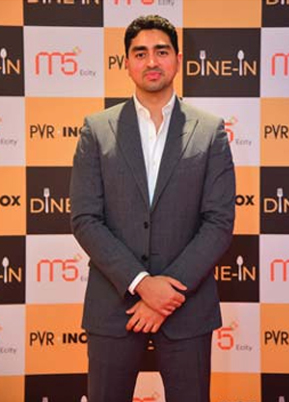
The cinema experience in India is evolving beyond the traditional dark room and popcorn. PVR INOX has raised the curtain on a new era with the launch of the country’s first dedicated fine-dine-in screen at M5 E-City Mall in Bengaluru. TheatreWorld team sat down with Aamer Bijli, Promoter & Lead – Marketing & Innovations, PVR INOX, to discuss this ambitious move. In this exclusive interview, he details the strategy behind blending luxury dining with big-screen entertainment, the technological innovations enhancing the experience, to meet the demands of an increasingly discerning modern audience.
Beyond just aesthetics, what is the core philosophy behind incorporating biophilic lobbies?
This is a very interesting question. Essentially, following COVID-19, we’ve observed a strong, inherent need for people to be outdoors and engage with natural colours for their well-being. What we’ve found is that integrating biodiversity and greenery into the cinema ecosystem significantly increases its appeal, inviting more people inside. We believe this goes beyond a fad or a trend; it actually addresses a fundamental consumer need to experience the outdoors, particularly in urban environments where such greenery is scarce. Our goal was truly to create a comfortable ecosystem.
Could you elaborate on the operational and logistical challenges of running India’s first fine-dine-in cinema auditorium?
We’ll only discover the true operational challenges once we officially begin running the dine-in concept. However, I don’t anticipate anything dramatic. We already have a division called the Luxury Collection (TLC), which fully incorporates a strong focus on dine-in and food concepts through our ‘Director’s Cut’ and ‘Luxe’ theatres. Consequently, our teams are well-prepared to handle very high-stakes scenarios, ensuring food is served on time, with proper efficiency, and with the necessary culinary skill set. I believe the only challenges we might foresee relate to the type of food itself, as we’re now offering items that are much more restaurant-friendly as opposed to the traditional cinema fare. Time will certainly tell, but I’m confident our team is robust enough to manage all these details.
How does the new lounge-style seating balance comfort with maximum screen visibility, and what new in-seat technology has been integrated to enhance the Theatre 2.0 experience?
The auditorium features wider spacing, about 2,500 mm between rows, allowing guests and servers to move freely without disrupting the viewing experience. The rakes are elevated to ensure clear sightlines from every seat. Seating is designed for pairs or groups of four, with angular swivel chairs that face the screen yet allow easy interaction. Additionally, AI cameras monitor occupancy and operations in real time to maintain a seamless and efficient environment.
You mention responding to how young India socialise and consume content beyond just watching films. How does this new property align with that?
This property is designed to be a fully experiential space where entry isn’t limited to moviegoers. With seamless technology-enabled access, guests can walk in to enjoy curated food and beverage options, much like a modern food court. Soon, we’ll introduce gaming zones, allowing visitors to relax, socialise, or simply spend quality time. The idea is to create a destination where people come for more than just films—a space that encourages repeat visits through comfort, variety, and engaging experiences. Every element has been built to ensure guests leave wanting to return.
In a market increasingly dominated by OTT platforms, how is Theatre 2.0 specifically designed to convert the at-home binge-watcher into a recurring in-cinema visitor?
I believe the market is wide enough that we don’t need to fight for attention. The real competition isn’t between OTT and cinema, it’s about people choosing how to spend their time. My goal is to create a space where communities come together to watch, talk, and share experiences. Many find traditional cinemas too restrictive; here, they can interact freely while enjoying films, gaming, live events, or comedy shows. I see this as a true ‘third place’ beyond home and work—a social destination that brings people together for connection and entertainment.
Since F&B and advertising are becoming critical high-margin revenue streams, what is the strategy to boost spend per head and operational margins?
We’ve implemented a few key strategies in this property to enhance convenience and boost sales. First, we’ve placed QR codes strategically around the auditorium. This provides an easy way for guests to order food, reducing friction. When food is more readily available and ordering is simpler, it naturally encourages people to order more. Second, we introduced digital kiosks next to all the service queues. Typically, long queues can deter a consumer from placing a larger or second order. These self-service kiosks have directly impacted our Spend per Head (SPH). Specifically, just by adding these digital kiosks, we’ve seen an overall contribution of about 11 rupees to our SPH. This is a very prominent and successful strategy that we plan to continue leveraging.
Will there be a change in the F&B menu, considering the regional aspects or specially curated international gourmet dishes?
We certainly hope to, at times, run special menus that align with the film playing on screen. For instance, if a Diwali film is running, we would offer a celebratory Diwali menu. Similarly, for films like Ratatouille or Chef, we would customise the menu accordingly, perhaps focusing on Italian cuisine for a relevant film. Even without a specific film tie-in, we change our standard menu seasonally. To ensure our offerings are contemporary and high-quality, we collaborate with renowned Master Chefs, such as Sarah Todd. Our menu is a mix of local and international flavours. It features a strong selection of local, regional food, alongside popular global delights and not excluding the favourite- popcorns. These include classic hits like steamed items, full-fledged Chinese and Japanese cuisine, and essential American food.
What is the long-term goal for this blending of lifestyle and entertainment?
This is a long-term vision. I believe constant innovation is essential; it’s been a core principle at PVR INOX for nearly three decades. With the dine-in concept, we plan to launch four to five more screens within the next year, depending on market readiness and the success of this initial model. Beyond dine-in, we’ll continue expanding into underserved regions while introducing new experiences and technologies across those locations. The goal is to keep redefining cinema, ensuring it remains exciting, relevant, and ahead of evolving consumer expectations.
What key initiatives are you implementing to boost overall footfalls and repeat visits?
Footfalls are rising thanks to a strong content pipeline, re-releases of cult favourites, and our ‘Manufacturing Footfalls’ program, which engages communities through F&B experiences. We also boost attendance via bulk bookings, lending cinemas for corporate events, weddings, and educational purposes, creating multiple touchpoints for audience engagement./p>
What technology or innovation has been added to this particular venue?
In addition to the AI cameras, we’ve implemented several other technological upgrades. We’ve introduced LED screens that allow for seamless programming with zero latency or hindrance. A major focus has been on deploying kiosks to efficiently manage queues and reduce wait times. Finally, we’ve introduced gaming, specifically AR and VR activations, which we developed with local partners and which will be visible in the coming weeks./p>
As a fine dine-in theatre, will the venue’s programming be limited to movies, or will it also feature live events, cricket matches, and other entertainment shows?
We offer everything our patrons enjoy. Beyond films, programming includes live shows, sports like cricket, and cultural events— ensuring the screen is fully utilised for diverse experiences in our fine dining setting./p>
Specifically, how is the food service managed to ensure a seamless, non-disruptive cinematic experience in a dark environment?
We’ve placed kiosks outside the counters so guests can order, get a number, and pick up food at a separate counter, cutting queue times and improving the experience. Customers can also pre-order before arriving, specifying when they want their order ready. In-seat delivery is available in all premium and fine-dine-in cinemas, where patrons can use a table service button. Soon, this service will expand to other venues. Guests can also scan a QR code from their seat to order, eliminating lines or needing to flag an usher, ensuring a seamless, convenient dining experience./p>